
Active 1990 Mid-tempo death/doom metal with pagan elements Updated: April 28, 2026 Information: Incomplete

Runemagick

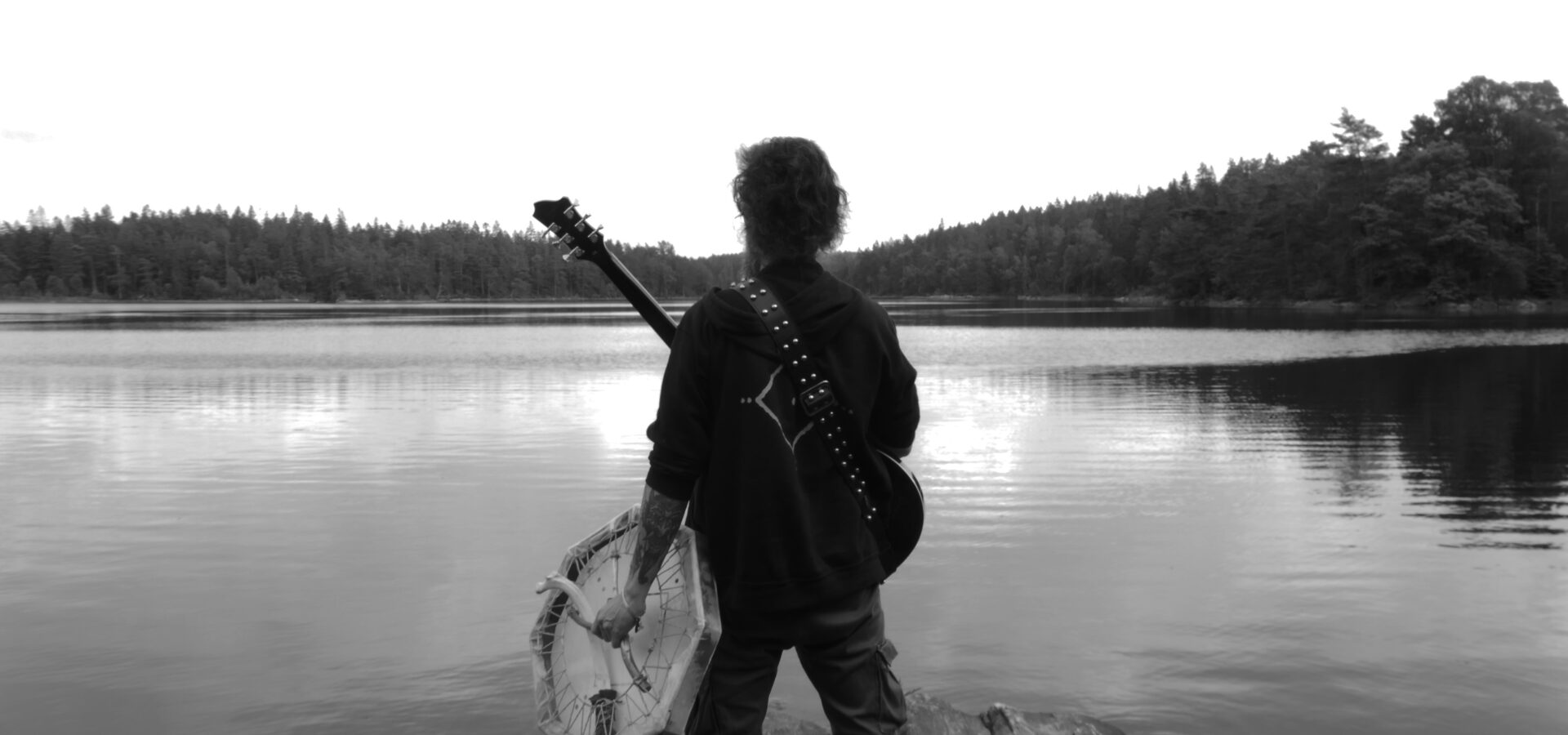
This is the official website of Runemagick. Since 2024, the project has entered Era VI, marking a new chapter. Runemagick now operates as a one-man entity, while continuing to invite and collaborate with selected creative forces.

This is the official site runemagick.nirucon.se

Listen to the latest release

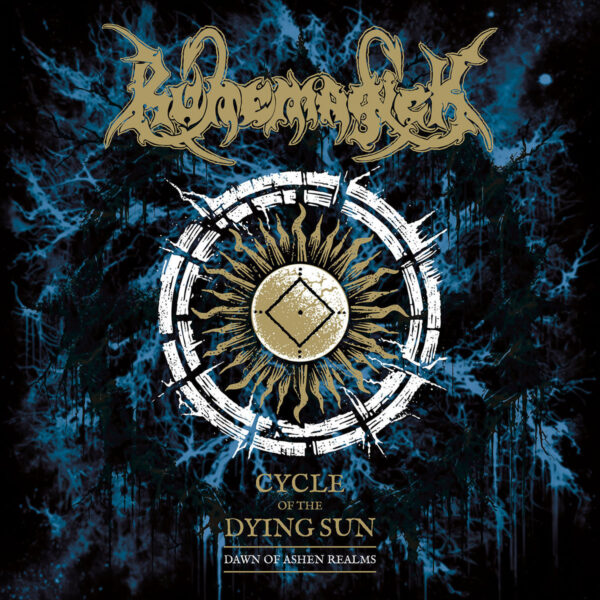
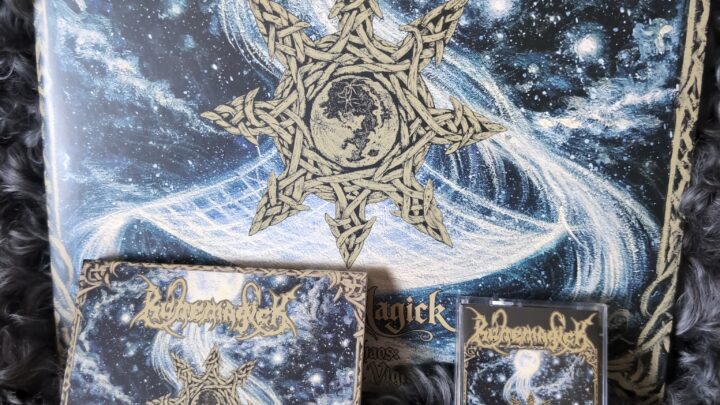
Cycle of the Dying Sun (Dawn of Ashen Realms)

Runemagick LP / CD / DIGITAL Hammerheart Records
Order / Listen →

Biography

Runemagick – Era VI

In 2024, Runemagick entered its sixth era: a return to its solitary origin, yet also a movement into deeper and less defined territory. What began in the early 1990s as the vision of Nicklas Rudolfsson has once again become a singular creative force. The circle does not repeat. It tightens, deepens, and moves inward.

Since its inception, Runemagick has moved within the space between death metal and doom metal, drawing inspiration from the early works of Bathory, Hellhammer/Celtic Frost, Candlemass, Bolt Thrower, Morbid Angel, Mercyful Fate/King Diamond and Autopsy. Across shifting lineups and decades of releases, the essence has remained: slow to mid-tempo, heavy, atmospheric, and anchored in something that predates classification.

During its earlier eras, Runemagick took form through a series of recordings that established its position within the underground, from the raw and formative years of the 1990s through releases such as Enter the Realm of Death (1999) and Darkness Death Doom (2003), and further into later works including Beyond the Cenotaph of Mankind (2023). These phases were shaped not only by changing lineups, but by a number of key collaborations over time. Early work with Robert Pehrsson helped define the initial direction, while later periods were marked by important contributions from Emma Rudolfsson, Daniel Moilanen and Jonas Blom, among others who have been part of the entity across different stages. While the form shifted across time, the underlying current remained intact, carrying the same weight, atmosphere and intent.

Yet beneath this continuity, the entity has never stood still. Each era has carried its own weight, its own direction, its own way of approaching sound, structure and meaning. What defines Runemagick is not only its sound, but its movement through time: a gradual unfolding shaped by persistence, transformation and return.

The Sixth Era

With Era VI, something fundamental has shifted. The music remains grounded in the traditional Runemagick foundation, but the creative process has become more inward and more attentive to what emerges rather than what is constructed. The focus is no longer solely on composition as structure, but on composition as a result of listening.

Word and sound now carry equal weight. Lyrics are not placed onto the music, but exist within it. Each phrase, each line, each symbol is part of the same current as the guitars, the drums and the atmosphere that surrounds them. The separation between expression and structure has diminished. What is spoken and what is played are no longer distinct layers, but aspects of the same movement.

This era moves through themes of runic force, Urðr’s weave, cosmic continuity and a restrained but present animistic awareness. The runes are not approached as symbols to decode, but as traces of something that persists beyond language. Not guidance, not instruction, but markings of what has already passed through. The work does not attempt to explain these forces. It remains alongside them.

Cycle of the Dying Sun

The first full manifestation of this era emerged with Cycle of the Dying Sun (Dawn of Ashen Realms) (2025), released through Hammerheart Records. Written, performed and produced by Nicklas Rudolfsson, the album was recorded across sessions at Sonic Train Studios and Necrotic Noise Studio, and shaped into its final form through mixing and mastering by Andy La Rocque at Sonic Train Studios. The work also features additional vocal expressions by Lussidotter, who contributes selected vocal passages and parts of the lyrical material, including writing contributions to the bonus track Beneath the Solar Embers, alongside Dísa Draugurinn, whose trance-like shamanic vocal presence extends the album’s atmospheric depth.

The album unfolds as a passage through a cycle already in decline. It does not build toward collapse. It begins within it. The world it presents is one where the outcome has already taken shape, where the inscriptions have been made, and where what remains must follow through to its end.

Across its six core movements, the album traces this condition through ash, memory, absence and remnants of former structure. The compositions move deliberately, without urgency, allowing weight and atmosphere to carry the progression. The additional material found on extended formats does not function as excess, but as continuation: fragments that extend beyond the central arc, suggesting that the cycle does not conclude within the frame of the album itself.

Lyrically, Cycle of the Dying Sun centers around the inevitability of what has already been set in motion. Fate is not questioned. It is observed. The runes appear not as tools, but as imprints: consequences that cannot be undone. The album does not resolve. It settles into its own ending, leaving space for what follows.

The Next Chapter

The next Runemagick album, scheduled for release in late autumn 2026 through Hammerheart Records, continues directly from this foundation. Where the previous work moved through the final stages of a cycle, this new material enters what remains after collapse.

It does not revisit the chaos. It exists in its aftermath. A state where movement slows, where structure loses its dominance, and where presence becomes more apparent. Not as revelation, but as condition. The compositions do not push forward. They unfold.

Recorded during early 2026 at Sonic Train Studios, Studio Ingwaz, Backamo and Bredfjället, the material developed across different environments and stages. Early demo recordings captured the first movements in a raw and incomplete state. These fragments later returned, altered through time and reworked into their final form. Nothing was forced into completion. Each element was allowed to settle where it belonged.

The album was engineered, mixed and mastered by Andy La Rocque together with Nicklas Rudolfsson at Sonic Train Studios. The approach to the final stages has been precise but restrained: to maintain depth and density while allowing space within the sound. Each layer exists in relation to the whole, not in isolation.

All music and lyrics were written, performed and produced by Nicklas Rudolfsson, maintaining a singular direction throughout the work. Additional vocal contributions by Dísa Draugurinn extend the atmosphere further into states of stillness, night and subtle presence, without overt emphasis or separation from the core material.

Conceptually, the album revolves around what remains when force has been spent. Not absence, but continuation without urgency. A condition where observation replaces action, and where something begins to move again beneath the surface without being called upon. The runic current persists here as structure rather than symbol, and the animistic presence is not invoked, but recognized as already present.

This second release within Era VI can be understood as a continuation, but also as a distinct passage. Where the first marked the end of a cycle, this one inhabits the aftermath and the subtle re-emergence of movement. As of now, there are early outlines of what may follow beyond this point. Whether this era forms a trilogy or extends further remains open. The direction is not predetermined. It reveals itself over time.

The Cycle Continues

Runemagick does not move toward conclusion. It moves through phases. Each era is not an endpoint, but a condition within a larger unfolding. Era VI continues this movement, not by expanding outward, but by descending deeper into what already exists beneath form and intention.

The runes remain. The movement continues. What has taken form is only part of what persists.

More will surface in time.

Read more about the eras of Runemagick by clicking + More information below.
More Information

The history and main discography of Runemagick (excluding reissues) can be divided into several distinct eras:

Era VI (2024 and beyond…)

In 2024, Runemagick entered its sixth era, returning to the solitary vision that first gave it form.
No longer bound by the structures of a traditional band, the entity has become something more fluid, guided by the pull
of wyrd and the cryptic language of runes. This transformation marks both a closing of one circle and
the opening of another, where the path ahead remains unwritten, yet already taking shape in shadow.

The duration of this era remains uncertain. What is known is that the work continues, each step deepening the legacy while
allowing new thresholds to reveal themselves. The runes have been cast, the cycle has turned, and in the space between
what has been released and what stirs beneath the surface, Runemagick persists.

Discography

Cycle of the Dying Sun (Dawn of Ashen Realms) [album] 2025
[Yet to be named] [album] 202?

Nicklas’ Reflections on the Threshold

In many ways, Runemagick has returned to its origins. It is no longer a fully active or traditional band,
but rather an entity that moves according to its own rhythm, shaped by a singular vision. The music for
Cycle of the Dying Sun (Dawn of Ashen Realms) was written during 2023–2024, though some riffs carry echoes
from earlier times. I spent considerable effort composing and selecting the songs that would form this passage, ensuring
each piece served the whole. Musically, it remains rooted in the classic Runemagick sound, with subtle
new elements woven in naturally rather than forced.

What sets this work apart is the attention given to the lyrics. They form a continuous thread, a ritual narrative that
binds the album together. I am deeply satisfied with how they turned out, as they carry weight and intention that extends
beyond the music itself. The album was recorded in early 2025, and I remain very pleased with the final result.

But the work does not stop there. Already, another passage has taken form, one that begins where the first ends,
emerging from the stillness that follows collapse. Where the sun’s cycle traced inevitability and consequence,
this next threshold opens into sustained presence, into the act of watching when force moves freely again.
The runes no longer bind but reveal. It is a movement beyond inscription, from fate endured toward awareness held
in the quiet hours between worlds.

What comes after remains to be seen. The threads of Urðr’s web continue to weave, and beneath the
calm of the vigil, something stirs. The path may open again for those who remain attentive. As for the future,
it reveals itself one rune at a time.

Nicklas Rudolfsson, January 2026

Era V (2017–2023)

Runemagick returned to the forefront in 2017, initiating a resurgence that led to the recording
of three full-length albums: Evoked From Abysmal Sleep (2018), Into Desolate Realms (2019),
and Beyond the Cenotaph of Mankind (2023). The final album of this era was recorded during multiple
sessions at Studio Humbucker and Abysmal Noise Studio from 2021 to 2022. The lineup featured
Nicklas Rudolfsson on guitar
and vocals, Emma Rudolfsson on bass, Daniel Moilanen on drums, and Jonas Blom on guitar. The album was mixed and
mastered by Johan Bäckman at Raven Noise Studio.

Discography

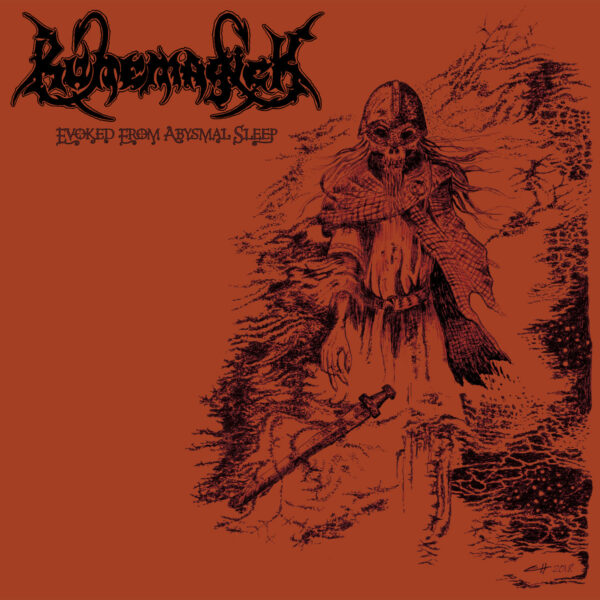
Evoked From Abysmal Sleep [album] 2018
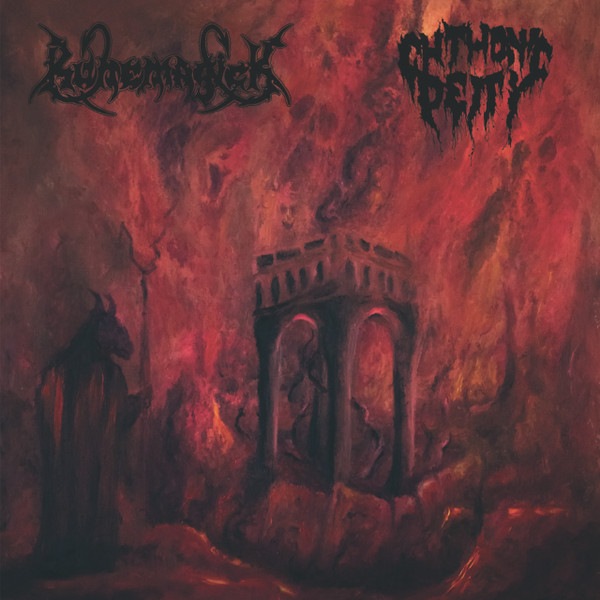
Chthonic Magick [split 12″] 2018
The Opening of Dead Gates [EP 12″] 2019
Into Desolate Realms [album] 2019
Beyond the Cenotaph of Mankind [album] 2023

Reflections on the Resurgence

This era marked a kind of reawakening. The first album, Evoked From Abysmal Sleep, may have ended up
somewhat simple and straightforward, with a recording process that felt “rusty.” Yet in a way, that reflects
its purpose: it was an album meant to get things moving again. The follow-up, Into Desolate Realms,
was a more refined effort. More time was spent on songwriting and preparations before recording, making it a
more fully realized work.

This era concluded with Beyond the Cenotaph of Mankind, which stands as another milestone. The album
was surrounded by turbulence and external influences, which caused delays before it was finally completed and
released. In the end, satisfaction came with the result. Had it been the last Runemagick album,
it would have served as a worthy conclusion, combining elements from multiple eras while introducing new aspects.
Recording the drums at Studio Humbucker with Robert Pehrsson as sound engineer was particularly meaningful,
considering his role in the very first era.

Toward the end of this period, Runemagick became more of a project rather than a fully active
band for several reasons. The future felt uncertain, the path ahead unclear. Yet the entity did not dissolve.
It waited, gathering strength in silence.

Era IV (2008–2017)

Following 2007, Runemagick entered a period of dormancy, a shadowed hibernation where the entity
withdrew from public view. Although music continued to be written during these years, no new material was publicly
released. This era was marked by introspection and silence, with official activities paused while creative forces
moved beneath the surface.

Discography

Several unofficial demos

Reflections on the Silent Years

There is not much to say about this period, as the band remained largely inactive for various reasons. However,
music continued to be written from time to time during these years, even if it was not officially released.
It was a time of dormancy, yet the creative flame never fully extinguished. The runes lay quiet, but not forgotten.

Era III (2000–2007)

Around the year 2000, Runemagick began a new chapter with a lineup that rehearsed actively and
contributed to the creative process. This period saw the release of numerous albums, including Requiem of the
Apocalypse, Darkness Death Doom, and Dawn of the End (2007), as well as a more consistent
live presence, particularly in the earlier years. The sound evolved significantly, and the band solidified its
identity within the death/doom spectrum, embracing the mid-tempo weight that would become its defining characteristic.

Discography

Dark Live Magick [album] 2001
Requiem of the Apocalypse [album] 2002
Moon of the Chaos Eclipse [album] 2002
Doomed by Death [split 7″] 2003
Darkness Death Doom [album] 2003
On Funeral Wings [album] 2004
Envenom [album] 2005
Black Magick Sorceress [EP 10″] 2006
Invocation of Magick [album] 2006
The Northern Lights [split 12″] 2007
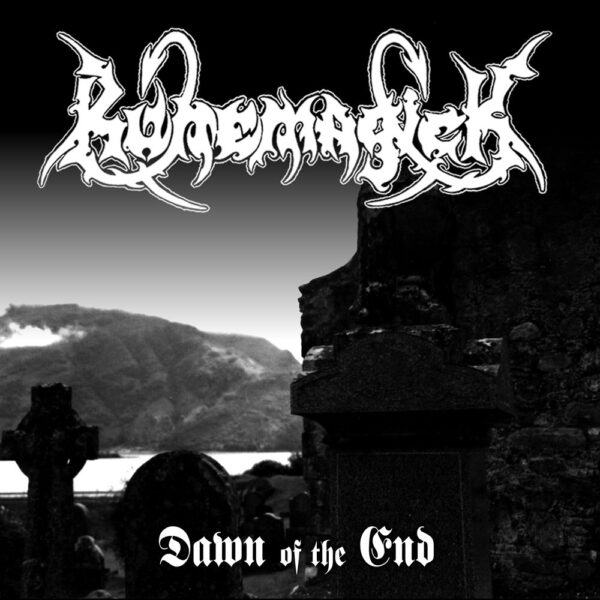
Dawn of the End [album] 2007

Reflections on Growth and Identity

During this era, a strong and stable lineup was established with Emma Rudolfsson (formerly Karlsson) on bass
and Daniel Moilanen on drums. Frequent rehearsals and numerous live shows helped solidify the band’s identity
both musically and as a unit. Several albums were recorded during this period, with Darkness Death Doom
standing out as another milestone in Runemagick’s history. Shortly after its recording,
Tomas “Offensor” Eriksson (ex-Grotesque, ex-Intoxicate) joined the band for a brief period.

The sound evolved further, leaning more heavily into the dark, mid-tempo doom-infused death metal that would
become a defining characteristic. This was an era of productivity and exploration, where the entity’s voice
grew stronger and more certain with each release.

Era II (Mid 90s–2000)

In the mid-90s, Runemagick entered a more structured phase with the release of a series of
unofficial demos and the first three albums, including The Supreme Force of Eternity (a compilation
of re-recorded early demo tracks). The band performed live more frequently and even embarked on tours. While
the lineup shifted during this time, Nicklas remained the central creative force, recording approximately 95%
of all instrumentation in the studio.

Discography

Several unofficial demo tapes
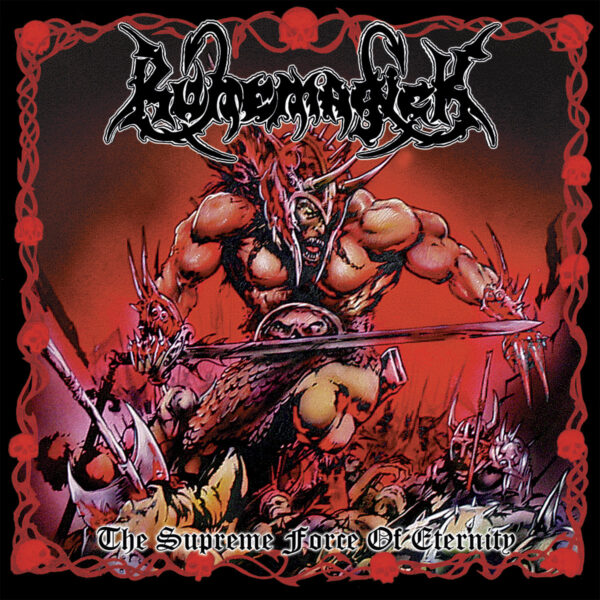
The Supreme Force of Eternity [album] 1998
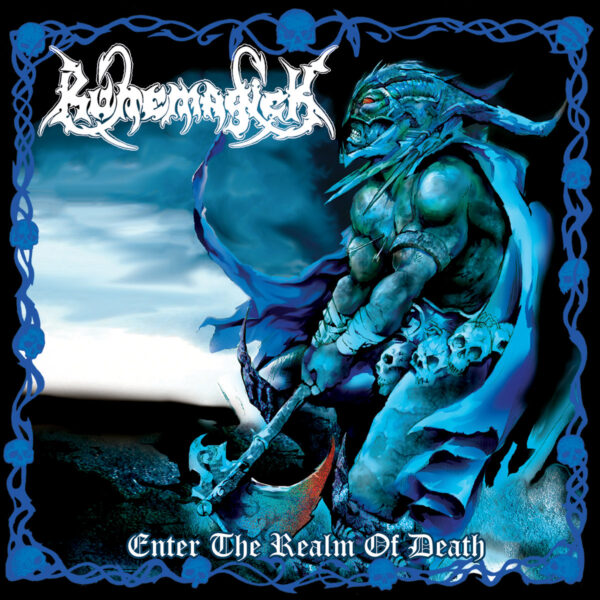
Enter the Realm of Death [album] 1999
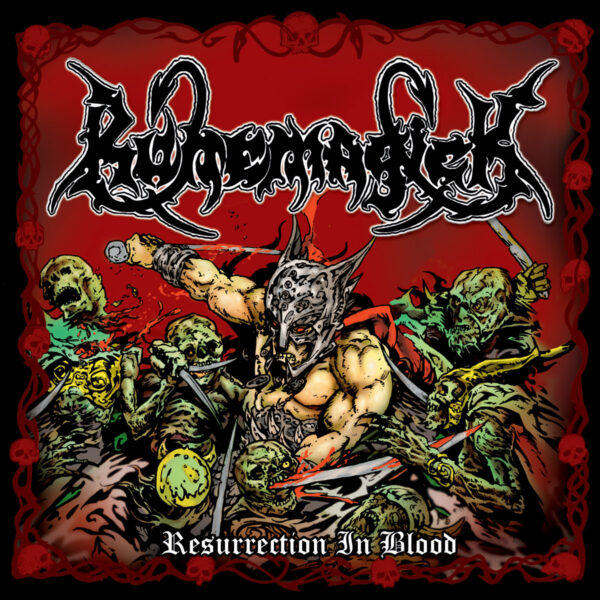
Resurrection in Blood [album] 2000

Reflections on the Early Albums and Evolution

Around 1993/1994, Robert and Nicklas went their separate ways, and Runemagick became more
of a solo project. More music was written, and a few simple demos were recorded over the following years.
One demo was recorded at the small Lobster studio in Smögen on the west coast around 1996 or early 1997.
That demo was sent to Century Media, which led to a record deal.

The debut album was recorded in 1998 at Studio Fredman in Gothenburg. The material consisted mostly of older
songs from previous years, though many were played at a higher tempo than originally intended. This decision
was later regretted. In fact, choosing to record old songs for the debut album was also a source of regret:
the focus should have been on finishing the material for Enter the Realm of Death, as several songs
were already completed, and that album would have made a stronger debut. But hindsight is always clearer,
and regret is part of the journey.

Many people appreciate the debut album, even if personal feelings about it remain mixed. Enter the Realm
of Death contains many of the elements that still linger in Runemagick’s music today,
making it one of the band’s milestones and a true foundation for what would follow.

Era I (Early 90s)

Runemagick’s earliest era was a formative period, beginning as a one-man project led by
Nicklas Rudolfsson. During this time,
most creative and recording duties were handled alone. The project soon evolved into a duo with the addition
of Robert Pehrsson (later known for Death Breath and Studio Humbucker), who became a permanent member for this
era. The band recorded several more or less official demos and performed a handful of live shows, exploring a
variety of styles and influences from Bathory, Hellhammer/Celtic Frost, and Candlemass. This period laid the
foundation for Runemagick’s unique sound and paved the way for future experimentation.

Discography

Several official and unofficial demo tapes (1990–1993)

Reflections on the Formative Years

This was an exploratory time, trying to find a style and sound for the band. Just young musicians, around
15–16 years old when it all started, driven by passion and inspiration. Many more or less amateurish demos
were recorded. A number of gigs were played with various session members, including Johan Norman (ex-Soulreaper,
ex-Dissection). The biggest influence during this period was probably Bathory, along with elements of Candlemass.
It was raw, uncertain, yet filled with the energy that would carry forward through all eras to come.

Discography

Cycle of the Dying Sun (Dawn of Ashen Realms)

Cycle of the Dying Sun (Dawn of Ashen Realms)

October 31, 2025 Vinyl LP / CD / DIGITAL Hammerheart Records
Order / Listen →
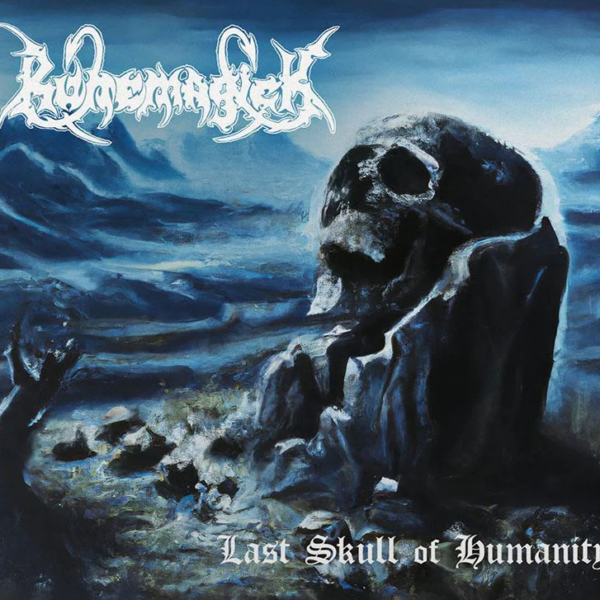
Last Skull of Humanity (1999)

Last Skull of Humanity (1999)

October 20, 2023 LP / CD / DIGITAL Hammerheart Records
Order / Listen →
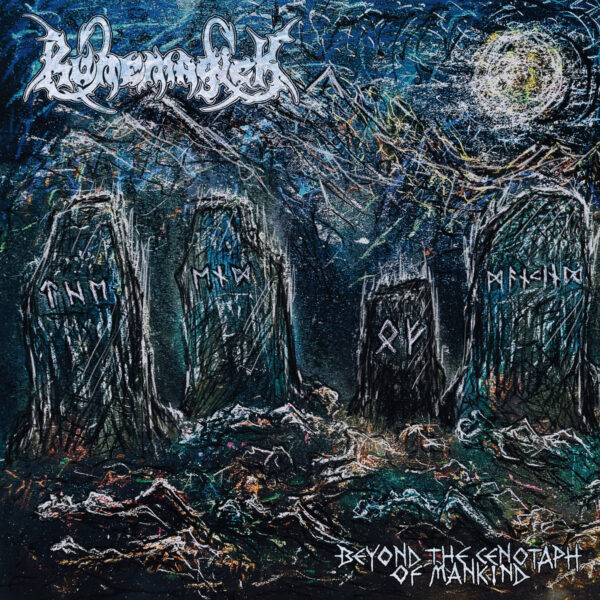
Beyond the Cenotaph of Mankind

Beyond the Cenotaph of Mankind

April 28, 2023 Vinyl LP / CD / DIGITAL Hammerheart Records
Order / Listen →
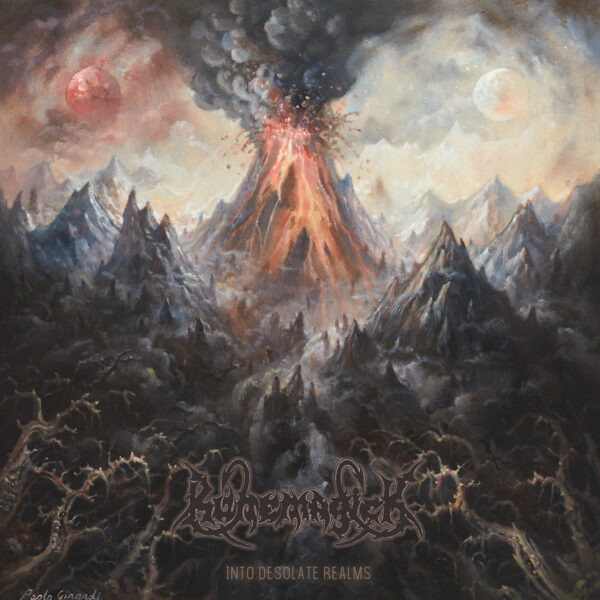
Into Desolate Realms

Into Desolate Realms

October 25, 2019 Vinyl LP / CD / MC / Digital High Roller Records
Order / Listen →
Chthonic Magick

Chthonic Magick

October 1, 2019 LP / CD (split) Parasitic Records
Order / Listen →
The Opening of Dead Gates

The Opening of Dead Gates

June 20, 2019 Vinyl EP / DIGITAL High Roller Records
Order / Listen →
Evoked From Abysmal Sleep

Evoked From Abysmal Sleep

July 20, 2018 Vinyl LP / CD / MC / DIGITAL Aftermath Music / Parasitic Records
Order / Listen →
Dawn of the End

Dawn of the End

September 3, 2007 CD / MC / DIGITAL Aftermath Music
Order / Listen →
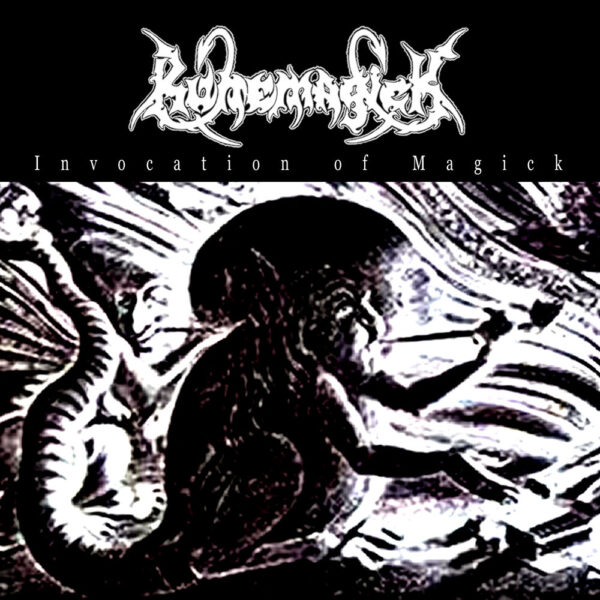
Invocation of Magick

Invocation of Magick

February 2006 CD / MC / DIGITAL AFtermath Music
Order / Listen →
Black Magick Sorceress

Black Magick Sorceress

January 30, 2006 Vinyl 10" PD Aftermath Music
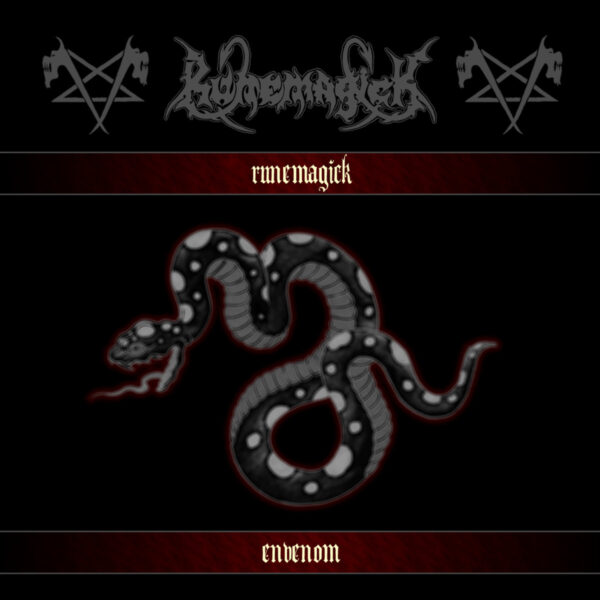
Envenom

Envenom

January 31, 2005 Vinyl LP / CD / DIGITAL Aftermath Music / Parasitic Records
Order / Listen →
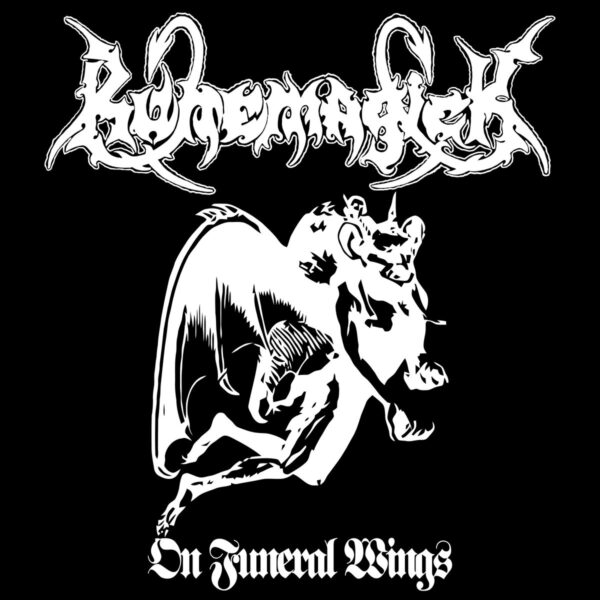
On Funeral Wings

On Funeral Wings

February 25, 2004 Vinyl LP / CD / DIGITAL Aftermath Music
Order / Listen →
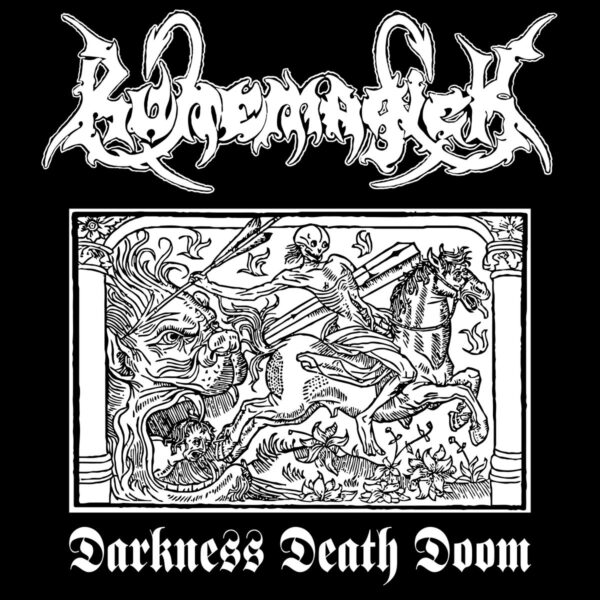
Darkness Death Doom

Darkness Death Doom

March 16, 2003 Vinyl LP / CD / MC / DIGITAL Aftermath Music
Order / Listen →
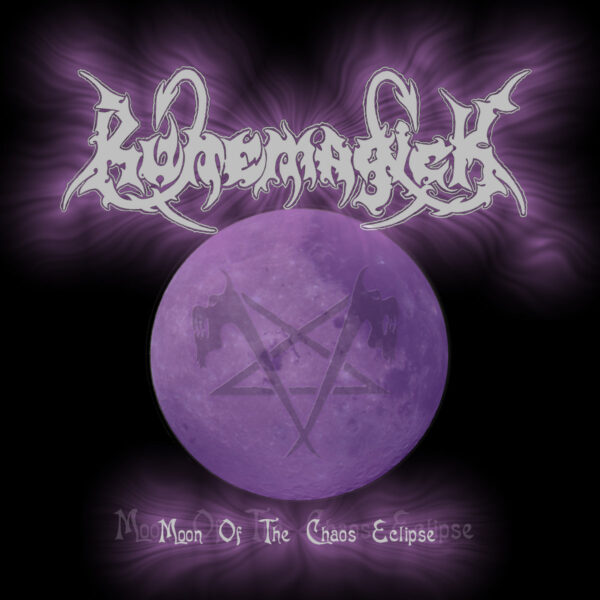
Moon of the Chaos Eclipse

Moon of the Chaos Eclipse

August 24, 2002 Vinyl 10" PD / CD / DIGITAL Aftermath Music
Order / Listen →
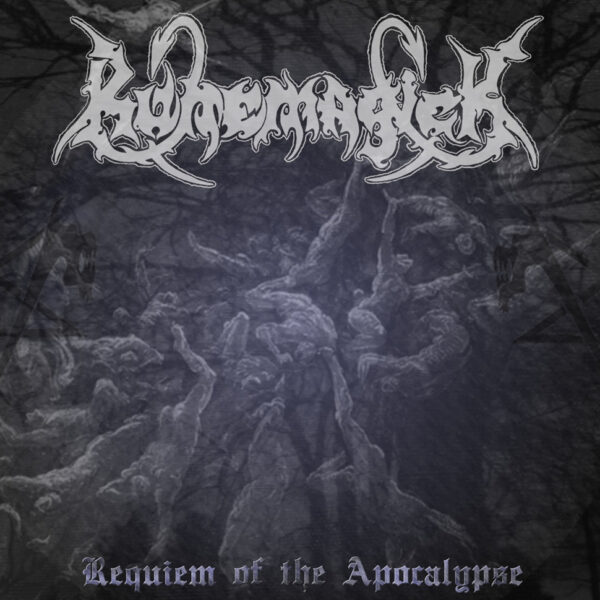
Requiem of the Apocalypse

Requiem of the Apocalypse

March 21, 2002 Vinyl LP / CD / MC / DIGITAL Aftermath Music
Order / Listen →
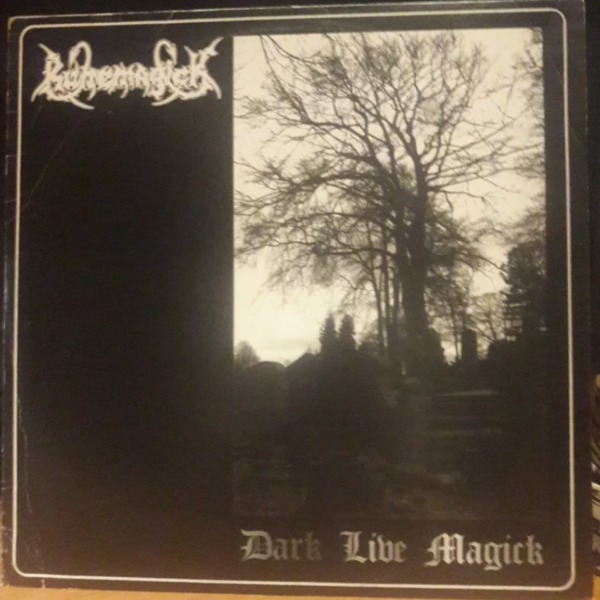
Dark Live Magick

Dark Live Magick

2001 LP Bloodstone Entertainment
Resurrection in Blood

Resurrection in Blood

September 13, 2000 Vinyl LP / CD / DIGITAL Century Media Records
Order / Listen →
Enter the Realm of Death

Enter the Realm of Death

August 23, 1999 Vinyl LP / CD / MC / DIGITAL Century Media Records
Order / Listen →
The Supreme Force of Eternity

The Supreme Force of Eternity

September 21, 1998 Vinyl LP / CD / DIGITAL Century Media Records
Order / Listen →